Shelves become a place to enjoy favorite objects
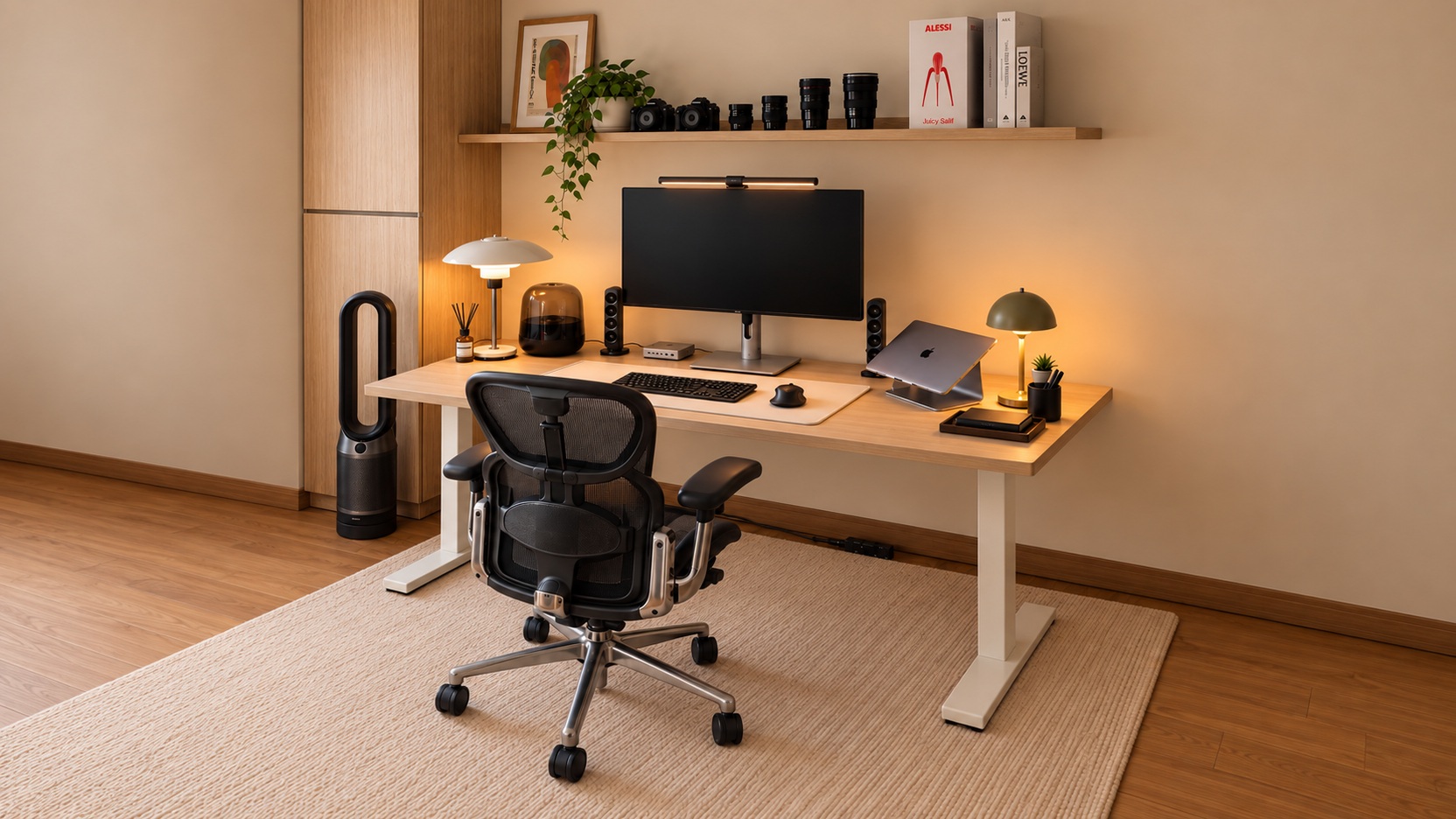
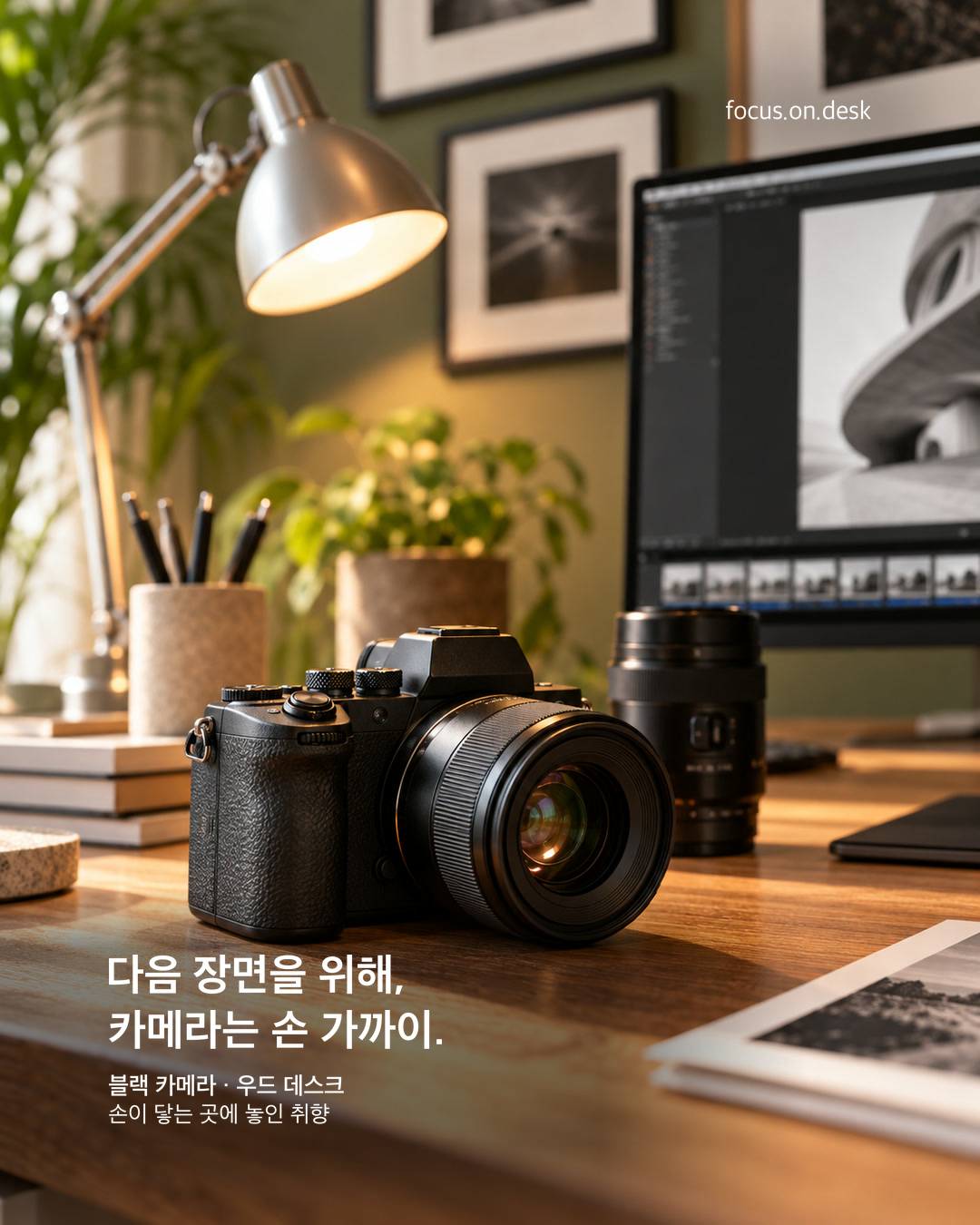
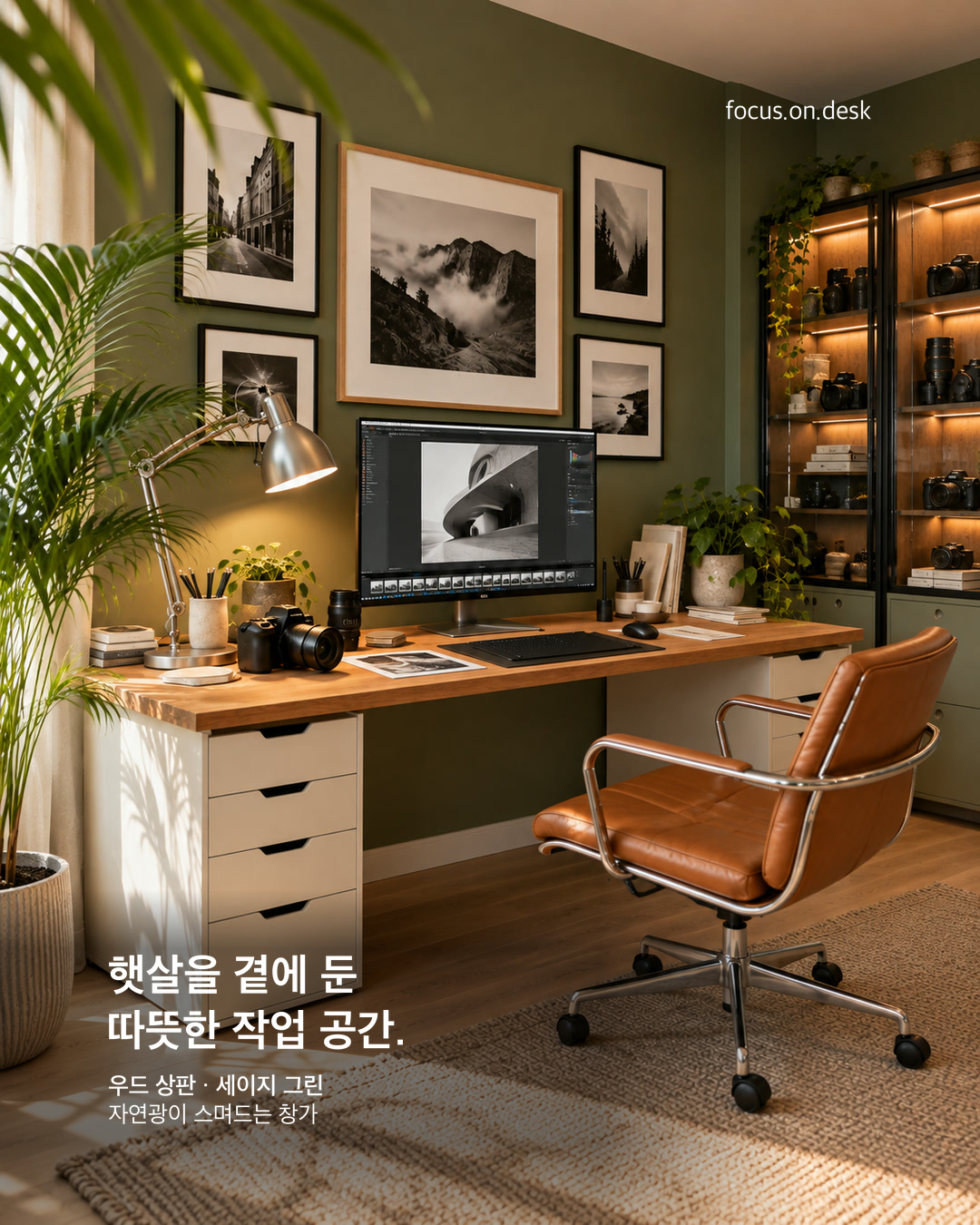
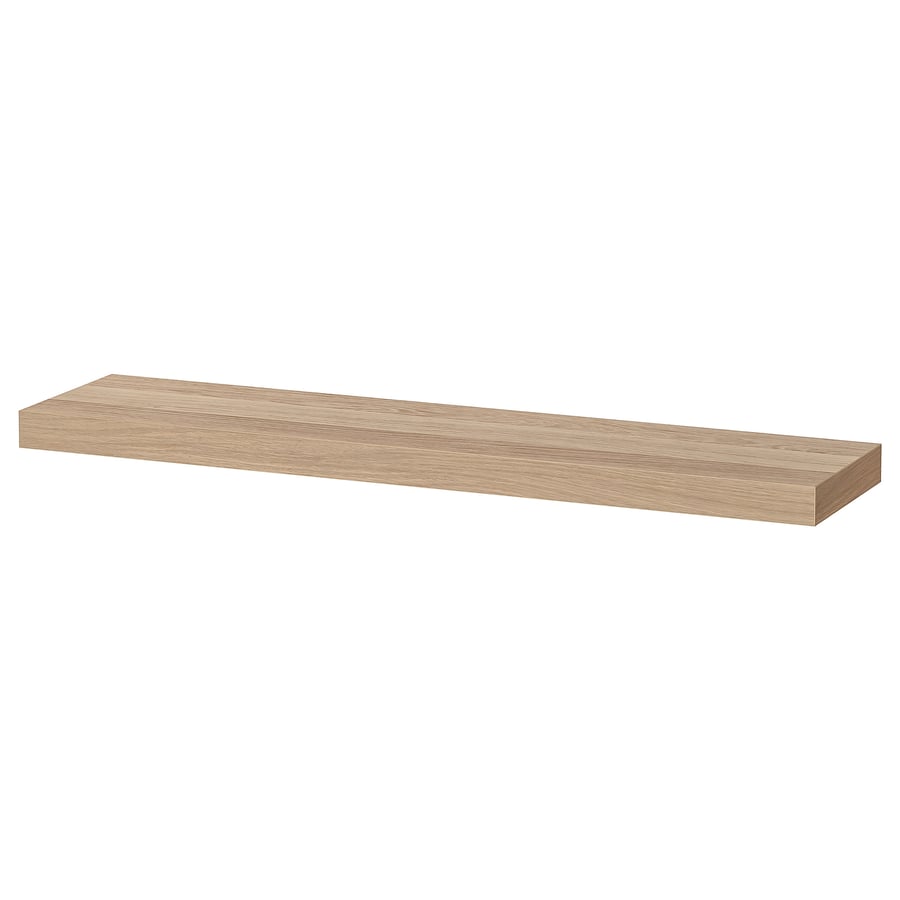
Cameras, books, and green leaves gather on the wall shelves. Tools that are also enjoyable to look at move upward, expressing the studio's character without decorating the desk's front edge.
Separate frequently retrieved cameras from objects kept mainly for display. Check shelf load limits and wall mounting before placing heavy items. Make sure the attractive position is also easy to reach.
Group the outlines of black equipment on light wood
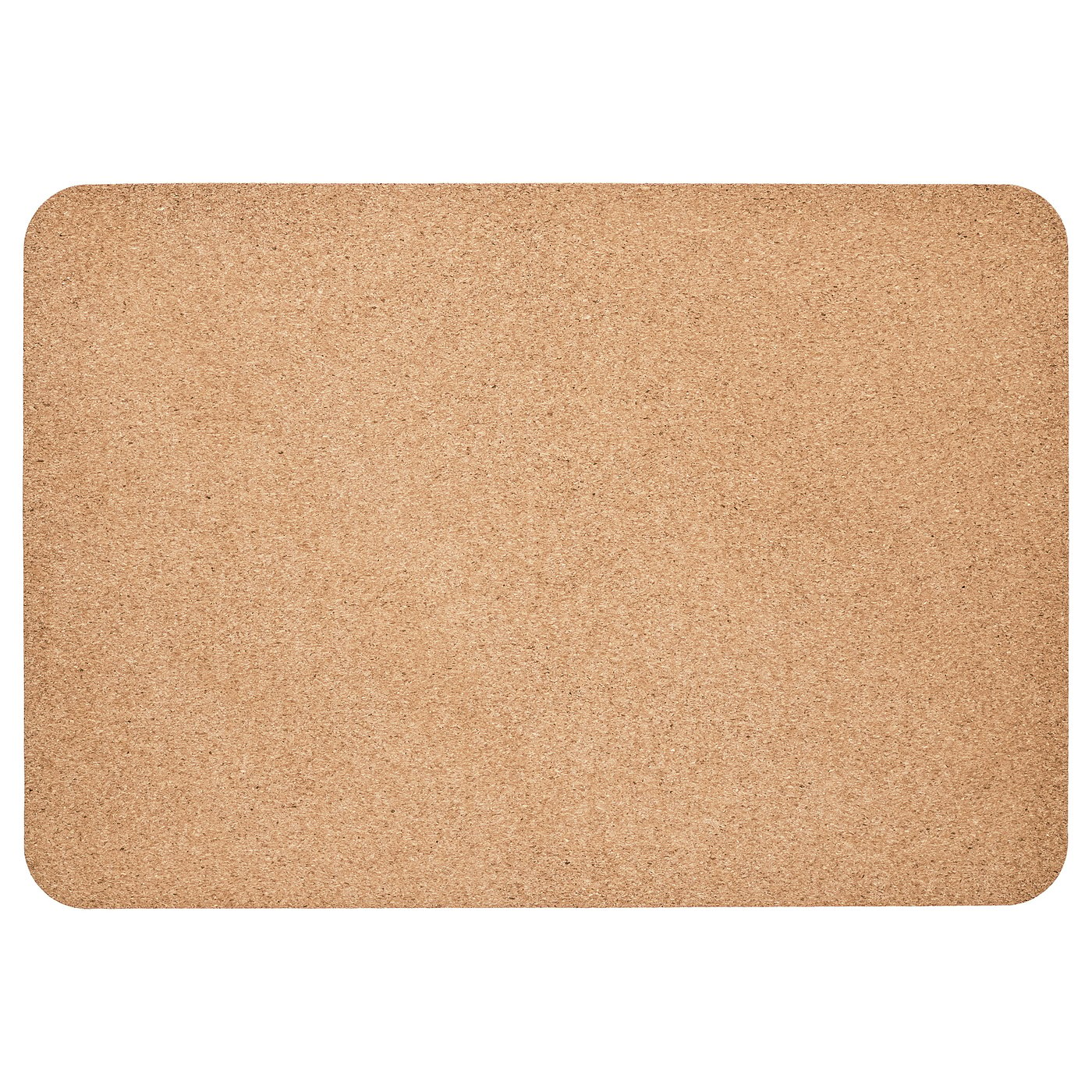
The monitor and peripherals form dark outlines against the light desktop. Quiet working-area colors establish a center even with varied objects on the shelves. A beige mat provides a warm layer between wood and equipment.
Before buying replacements for mismatched objects, group similar colors. Bringing input devices and small equipment into one area can organize the impression. Keep enough room within it for your hands.
Lights on both sides illuminate wall and desktop differently
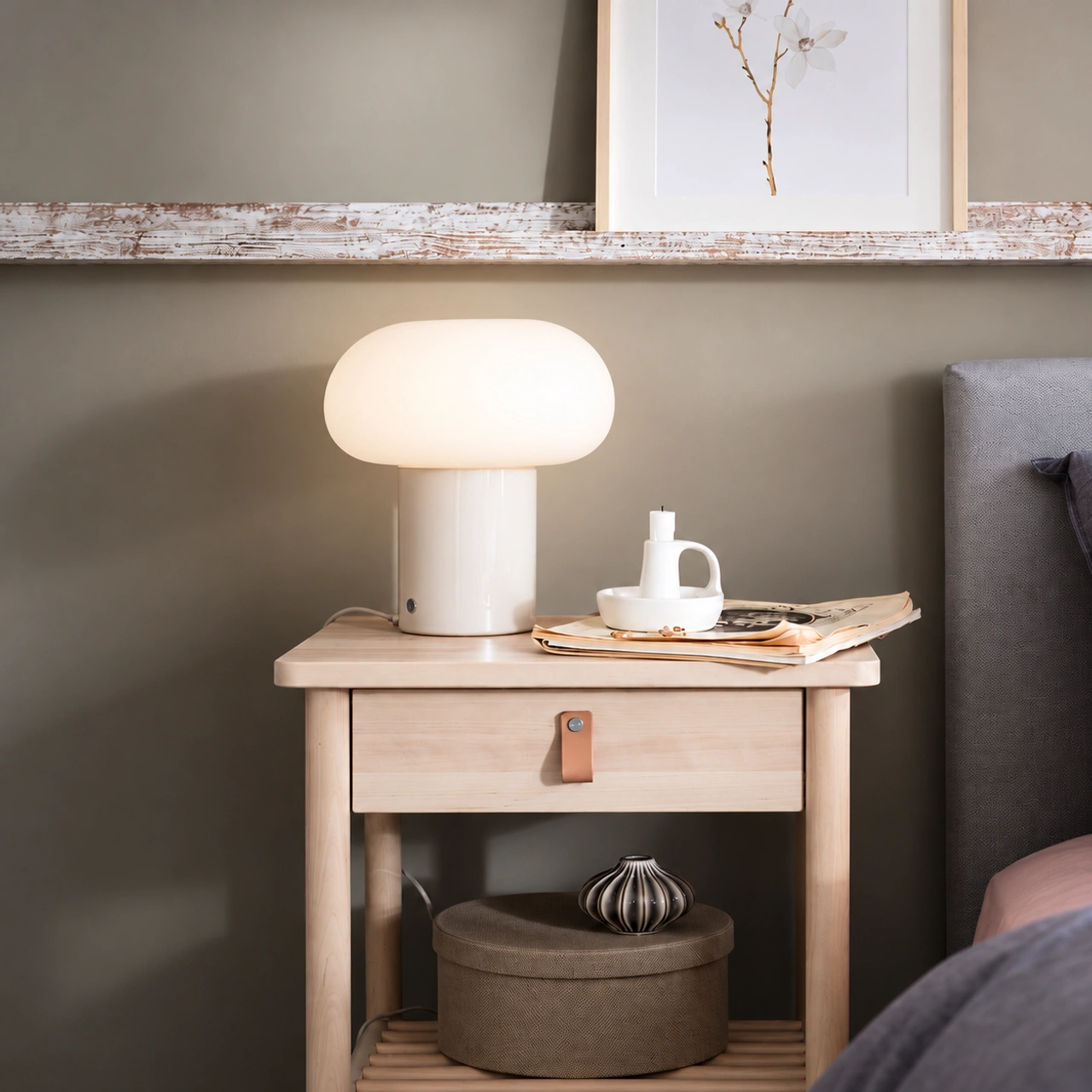
Warm light occupies both sides while the central screen remains quiet. Different lamp heights and forms create separate areas of light on the same desktop. Their relationship contributes to the photograph's softness.
Check cable routes and switch access when placing real lamps, including whether they can be operated while seated. Test screen reflections and writing shadows to balance decoration with use.
Keep today's tools inside the beige mat
The keyboard and mouse define a working area within the mat, separate from accessories outside it. The arrangement makes hand positions clear. On days with a laptop or notebook, check the extra room those require too.
A large mat need not hold everything. Place everyday input devices first and test arm and mouse movement. Move unused tools to shelves or separate storage to reveal more of the background color.
Adapt the scene to your own movements
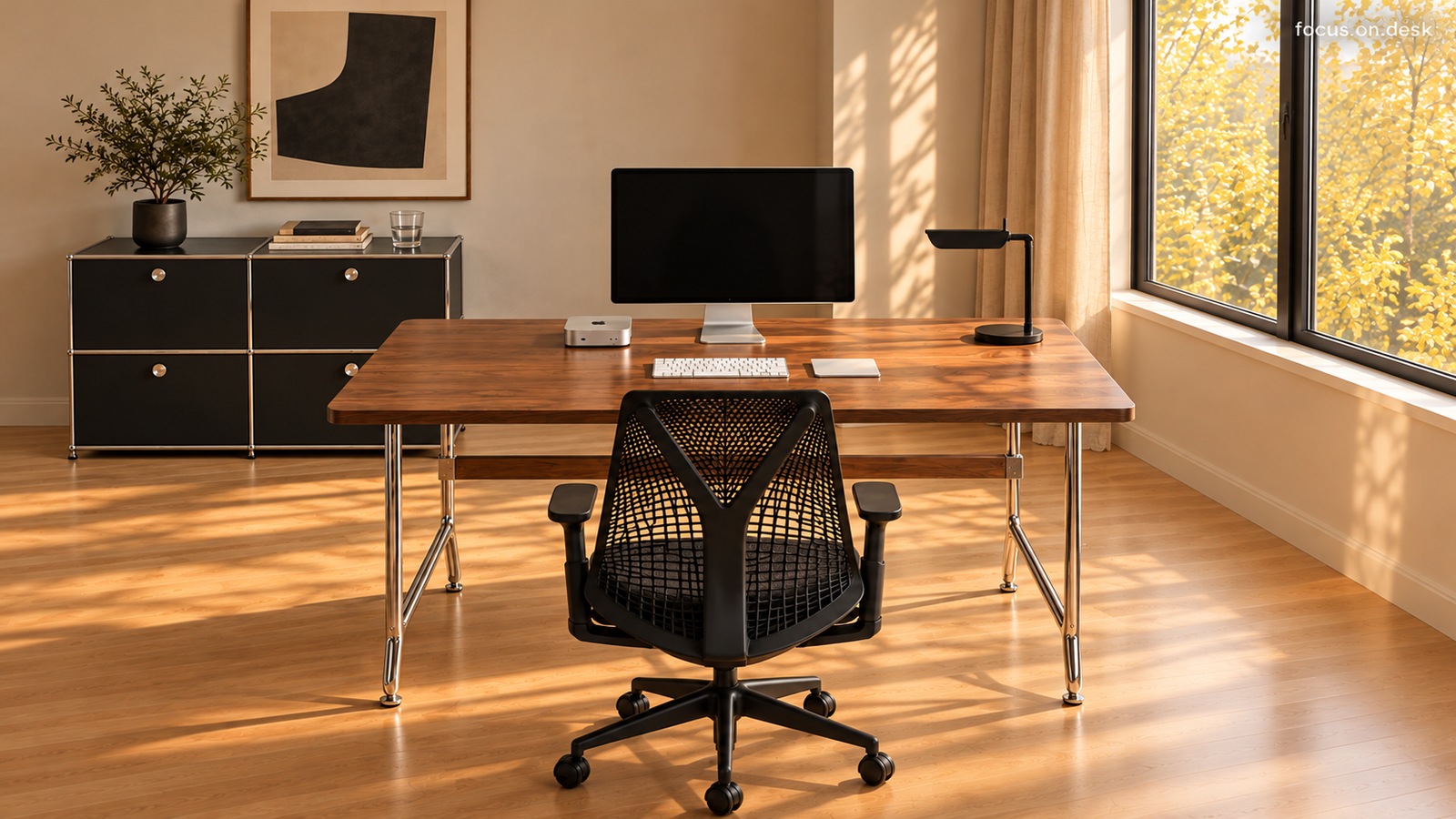
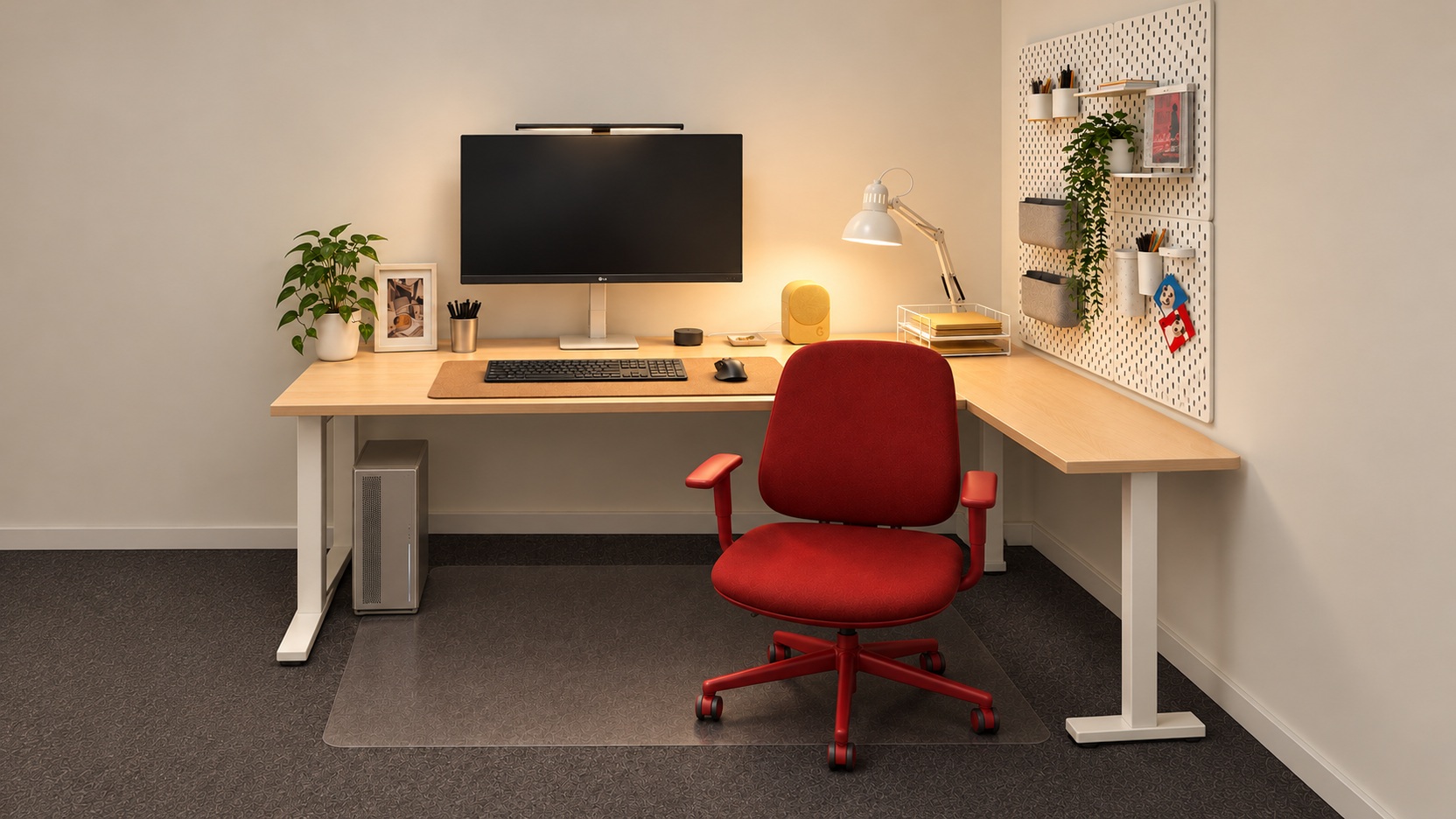
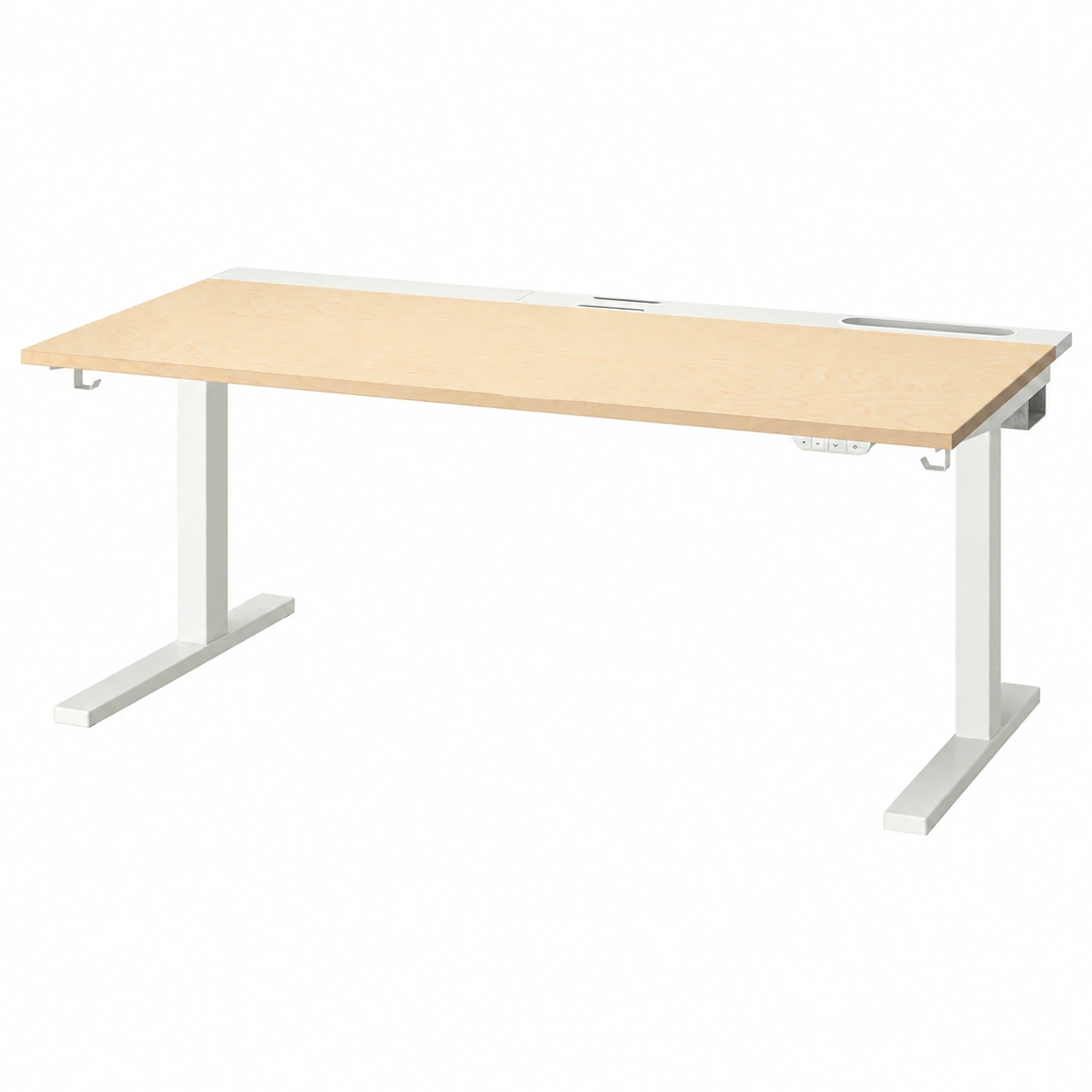
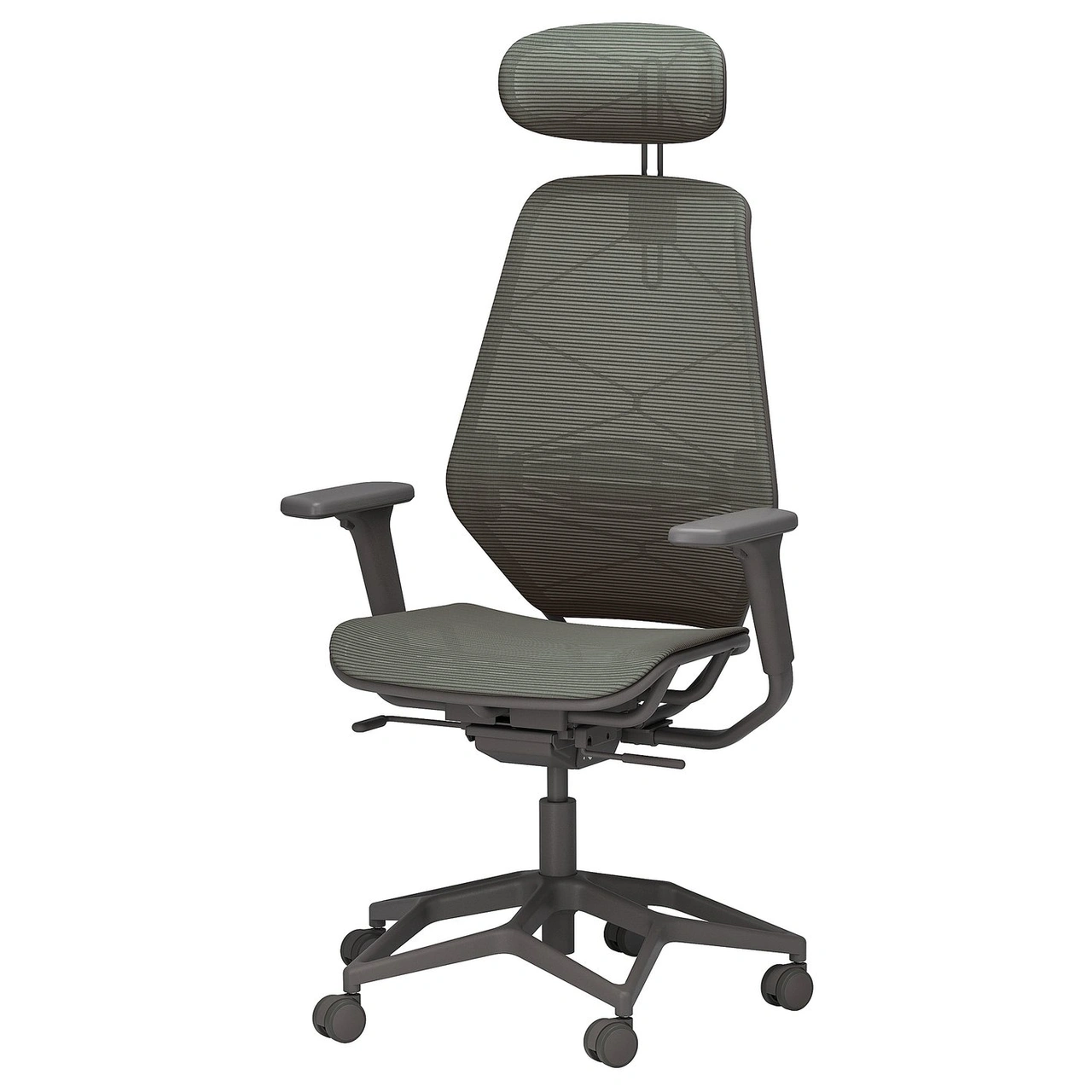
The chair, desk, and lights form a cohesive styling concept, but linked alternatives do not necessarily share the pictured furniture's construction. Check each actual product's desktop depth, frame, and chair shape separately.
Start with one camera or book to keep on your desk. Separating everyday tools from display objects by height helps preserve an uncomplicated workspace. Shelves can express taste while freeing the desktop.
Product and styling notes
The + tags are shopping alternatives, not verified matches. MITTZON has a birch top and rear module; DEJSA a thick glass base; LACK is 110 cm long and 5 cm thick; SUSIG is cork; and STYRSPEL differs in its headrest and frame. These details differ from the photo.
More desk stories to explore