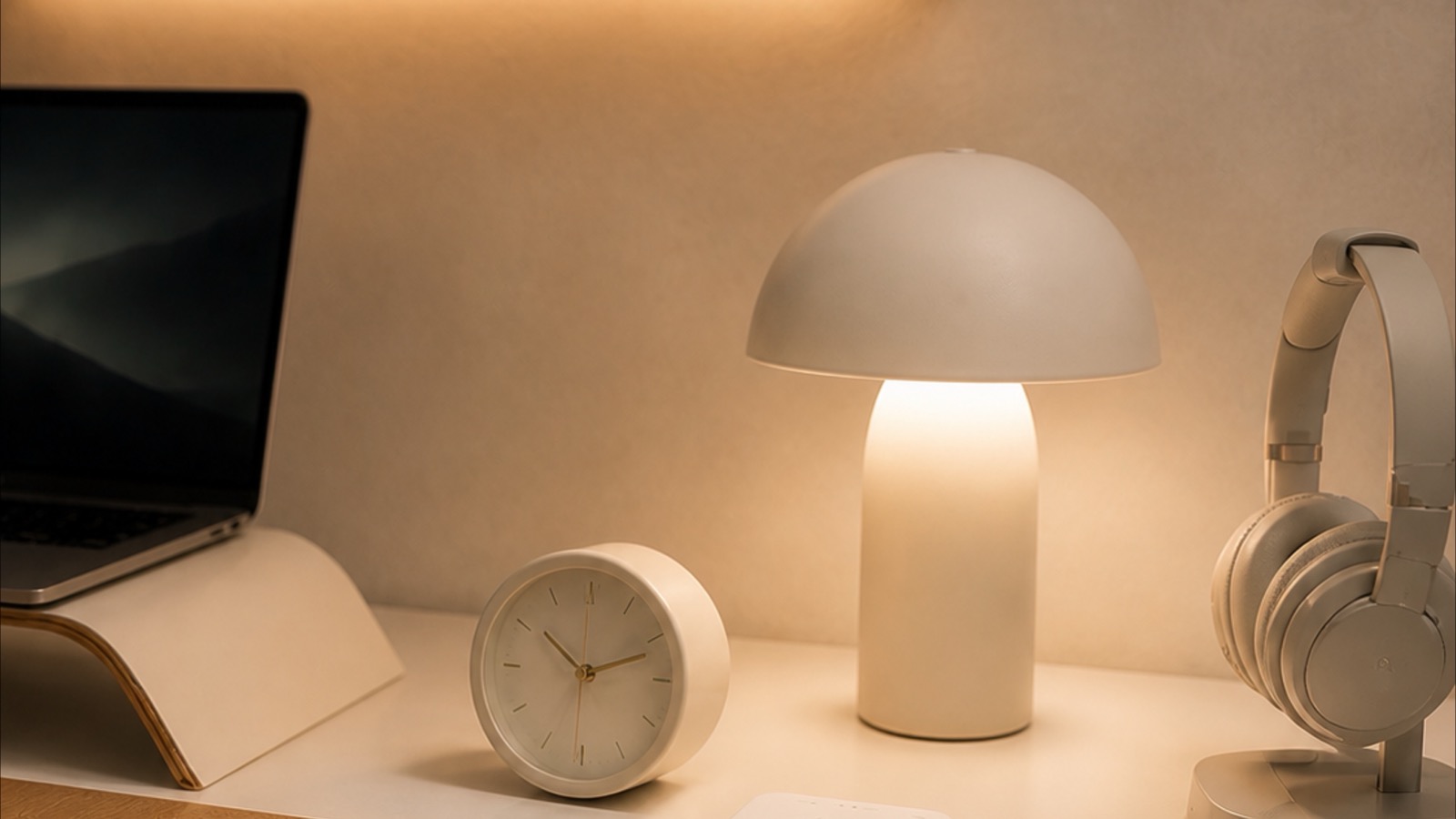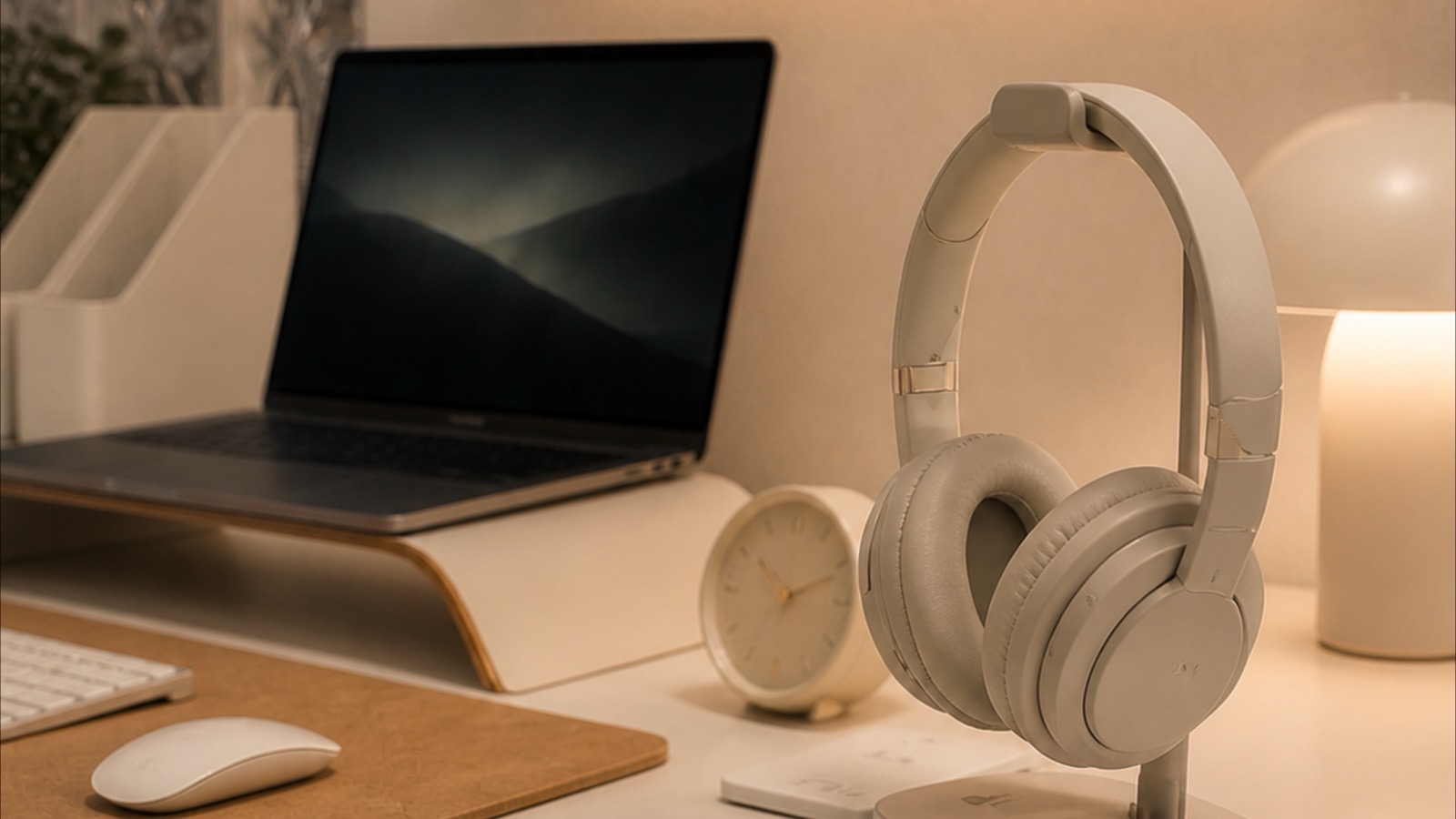
DESK GUIDE / lighting
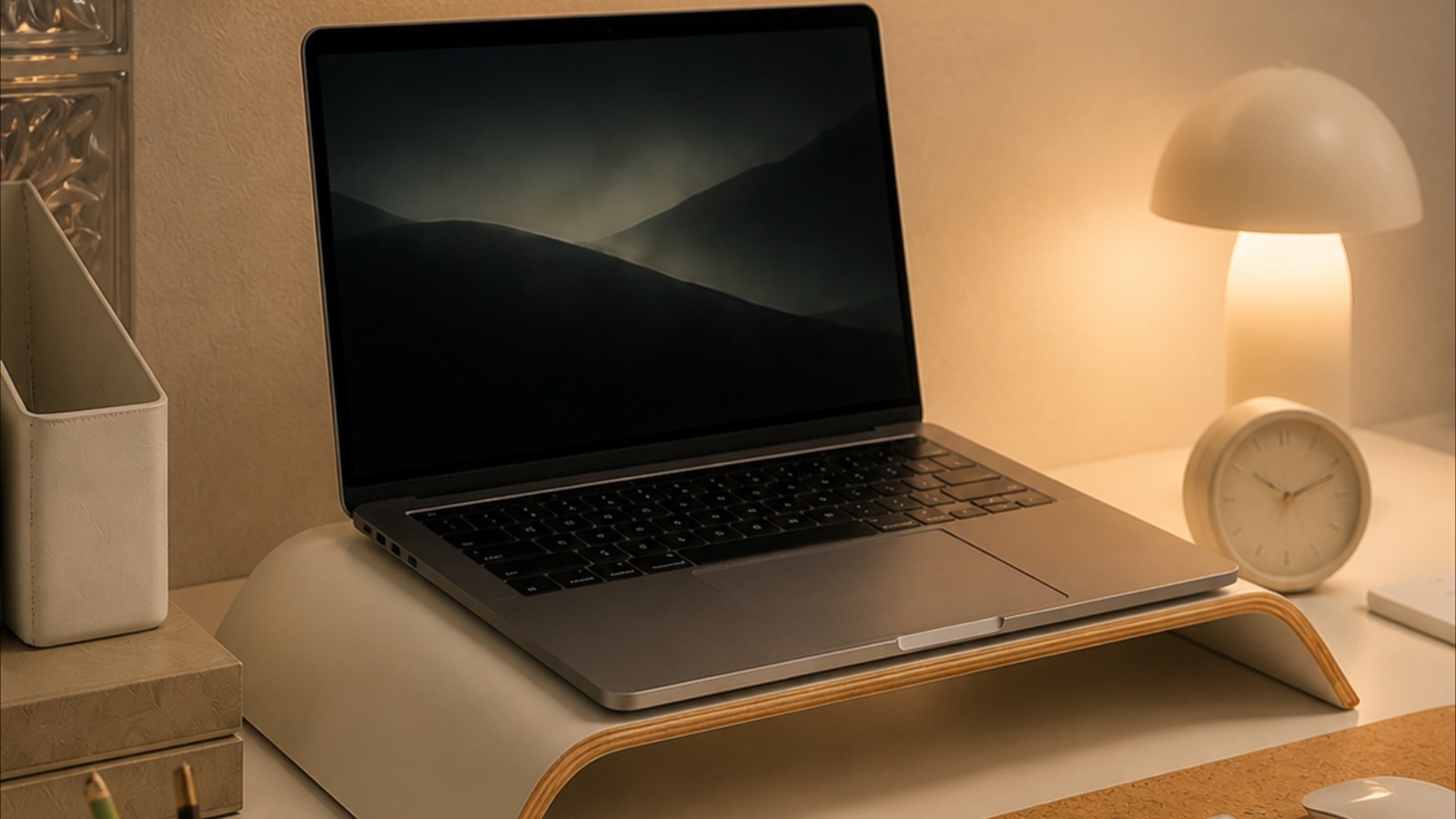
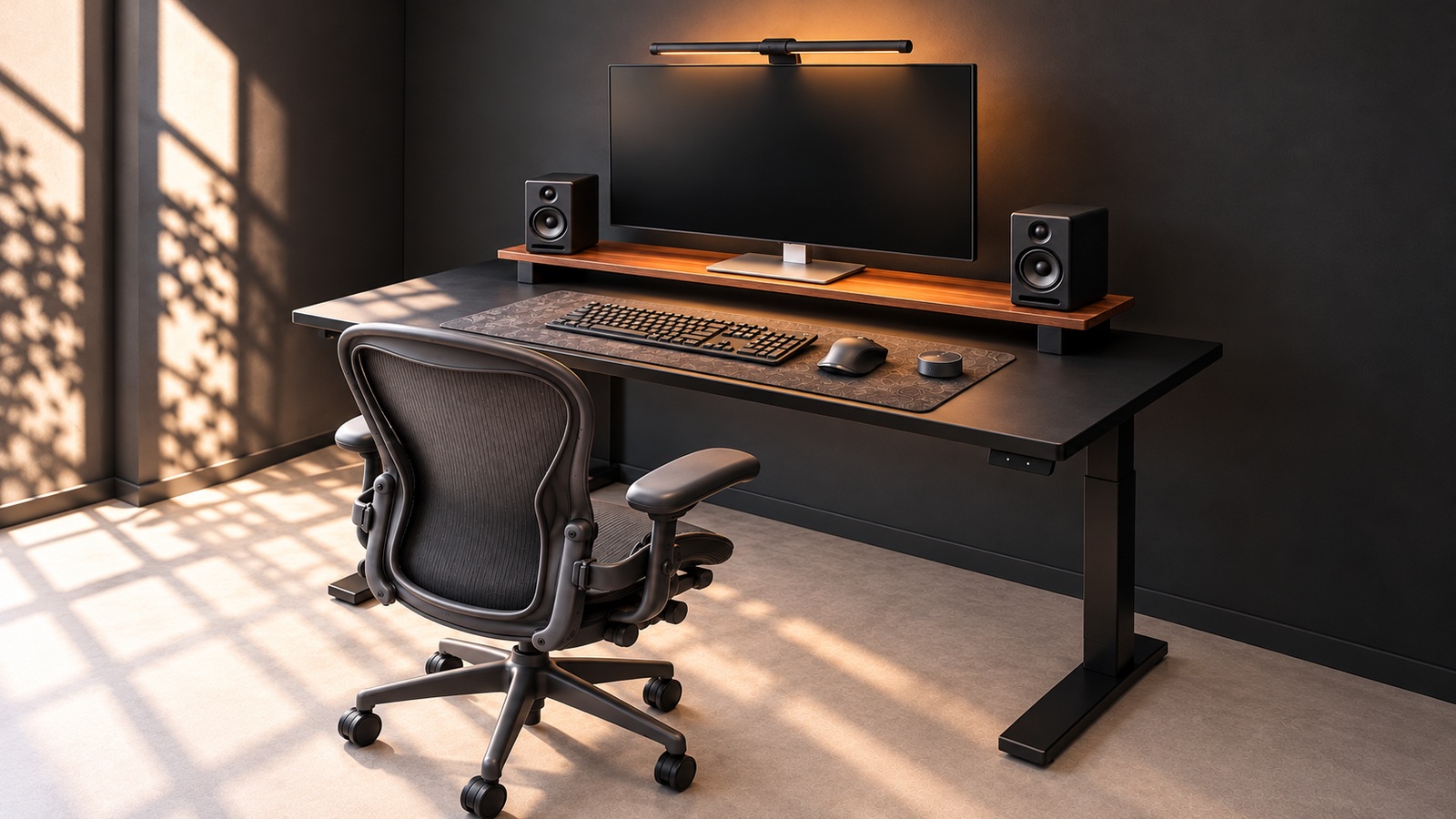
Evening desk lighting, how to divide it into the entire room, background, and work surface
When you turn on your desk light at night, does the screen flash or your notes cast a shadow? Before buying more lights, figure out what light you need for the entire room, behind the screen, and in front of your hands. There are more things to check at the actual location than just the color temperature number.
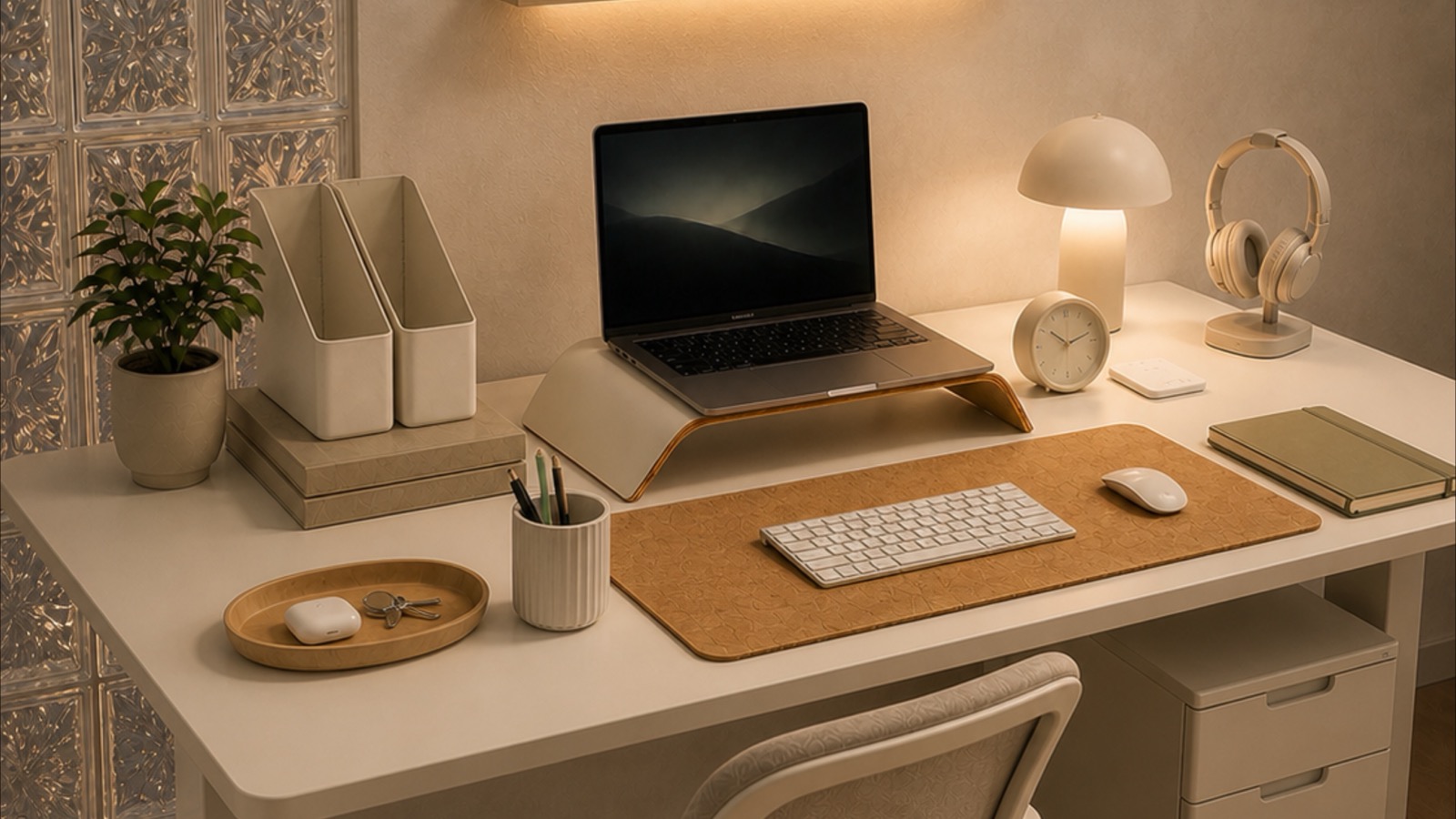
Before adding more, find an uncomfortable spot first.
Please sit at your desk with the light on as usual and look at the screen and your notes alternately. It's a good idea to check whether a window or lampshade is reflected on the screen, and whether the shadow of your hand covers the paper when writing. Even if the entire room appears bright, the light you need in front of your hands may not be enough.
Turn the lights on and off one by one and compare the difference you see. This is a starting point for dividing the light in the room, the background behind the screen, and the work aspect of reading paper. Separating the three roles does not necessarily mean you have to purchase three lights.
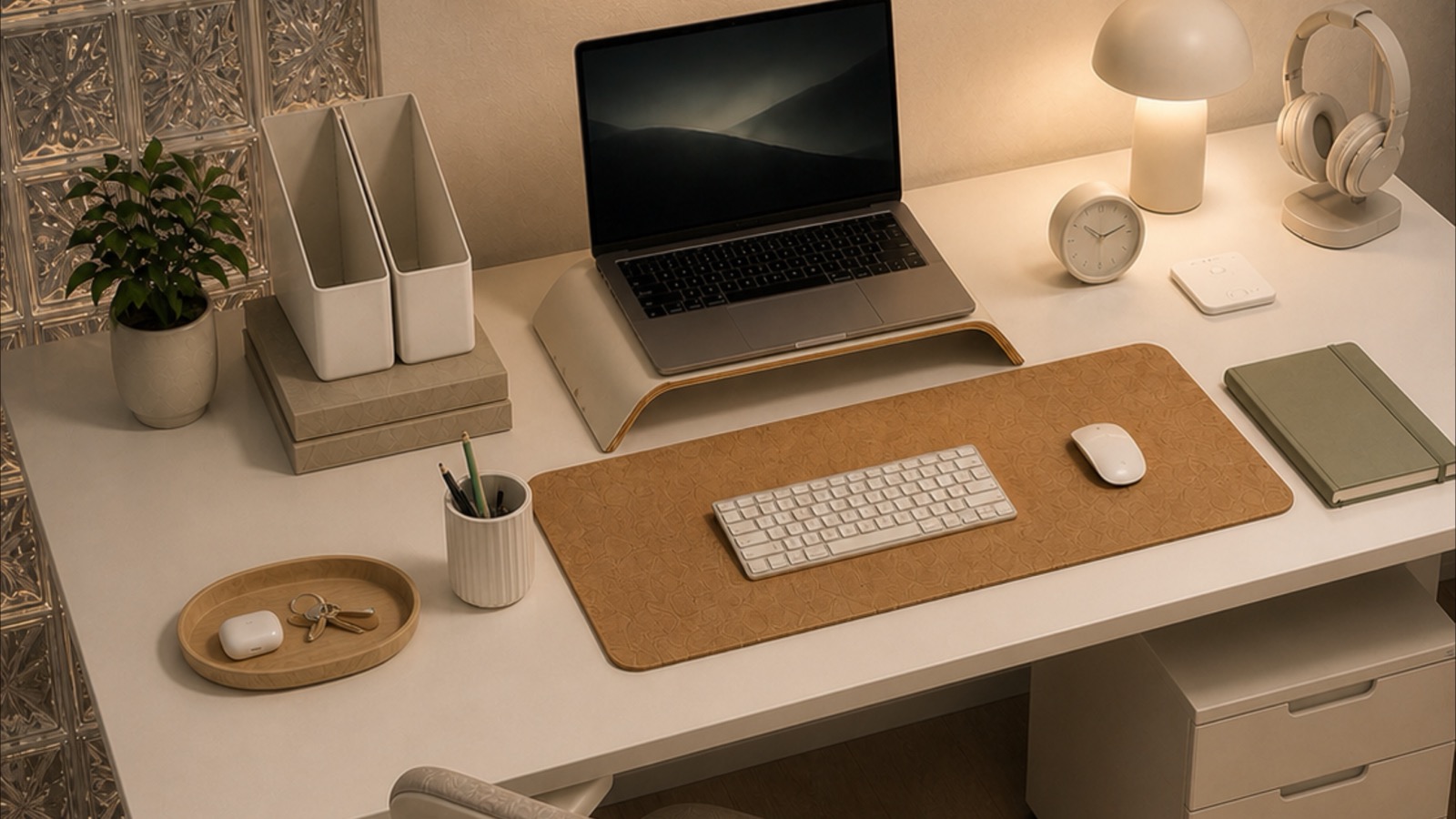
Check overall room light and screen reflections together
Ceiling lights can emit light as you move between rooms or search for objects around you. If it is reflected on the monitor, change the position of the screen and lighting, the direction of lampshade, or the state of the curtain and compare. There is no need to determine the correct answer by turning off the ceiling lights.
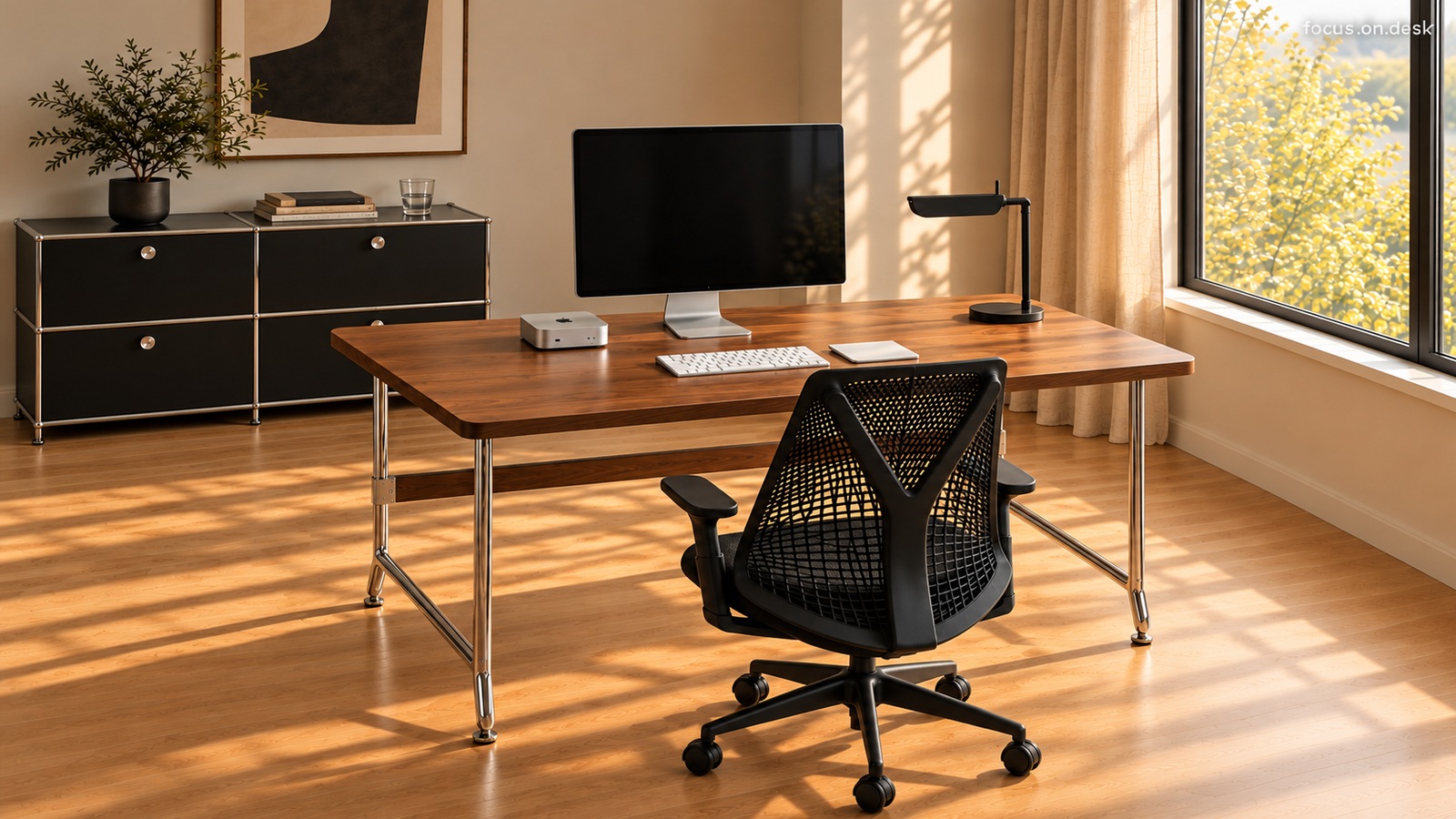
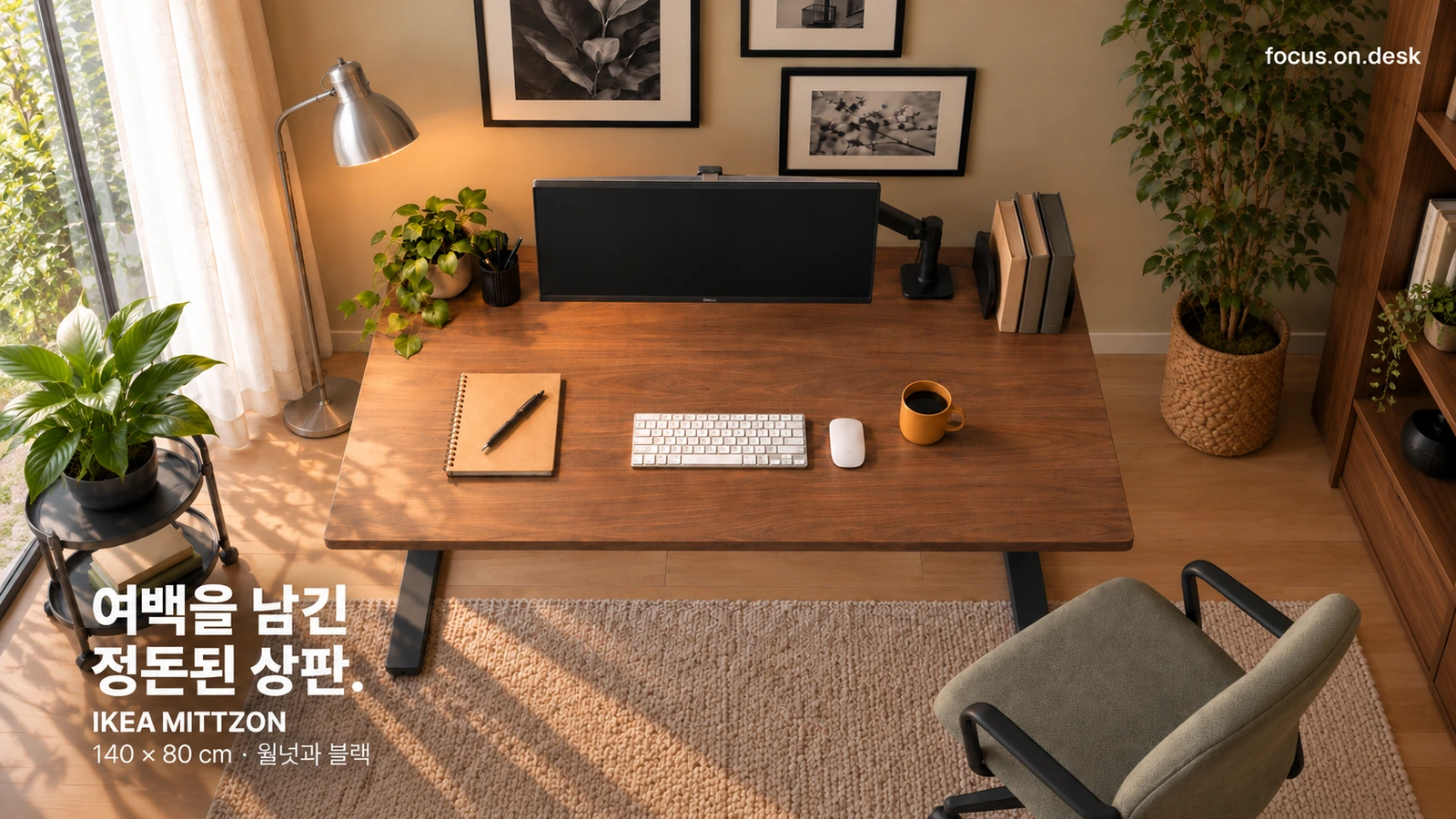
If you're by the window, the daytime and evening conditions are different. Turning on the screen and checking during your usual work time is more helpful than judging just by looking at the atmosphere in the photo. You can also compare the method of changing the direction so that the bright window is next to the screen.