DESK GUIDE / Desk organization
Desk organization guide, pegboard From storage to cable tray wiring
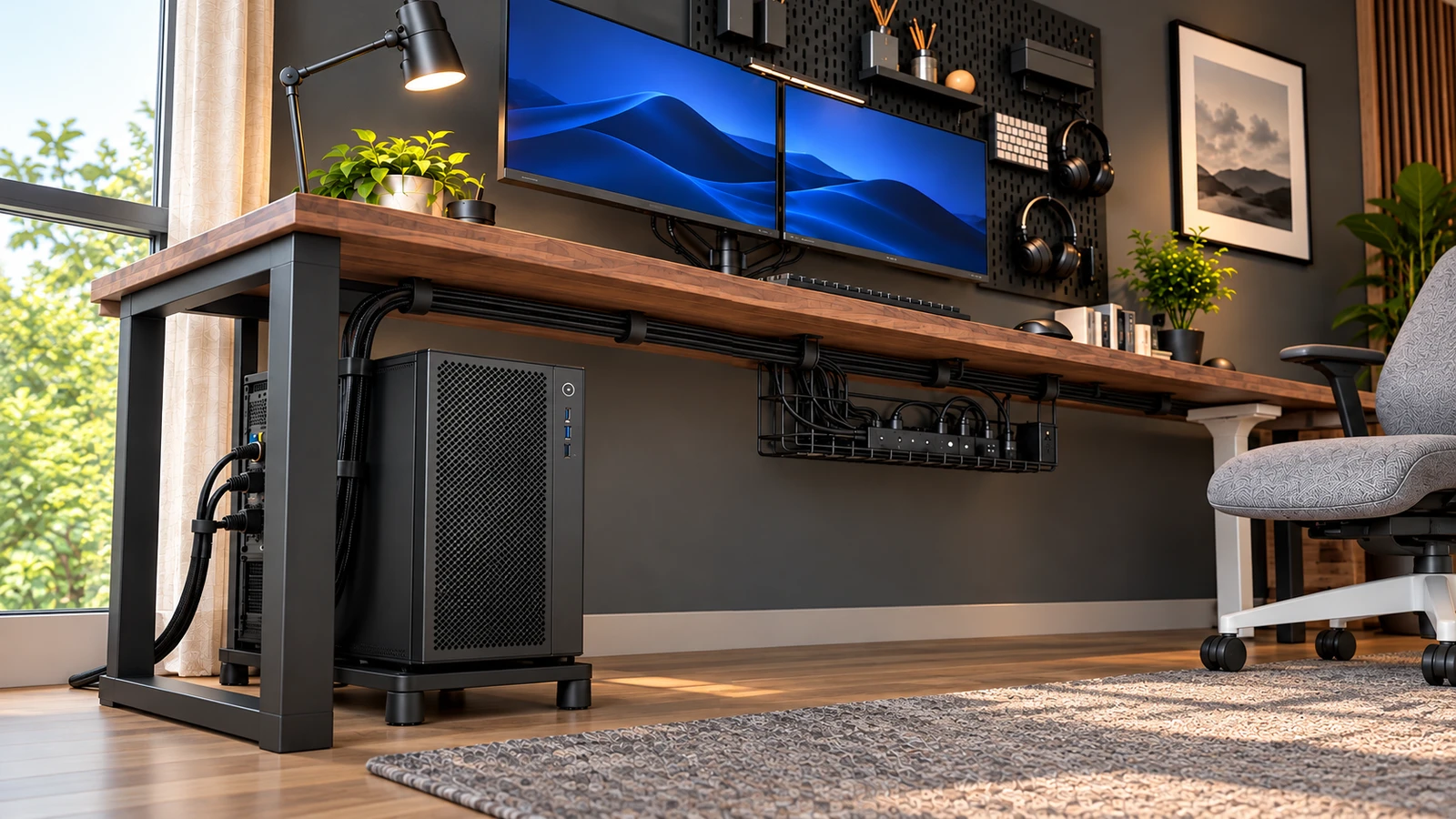
To organize small tools and wires underneath your desk, you need to decide where the items will go and where the cables will run. Using the black pegboard and desktop trays below as examples, let's look at the order of tool classification, wall storage, wiring, and post-use inspection.
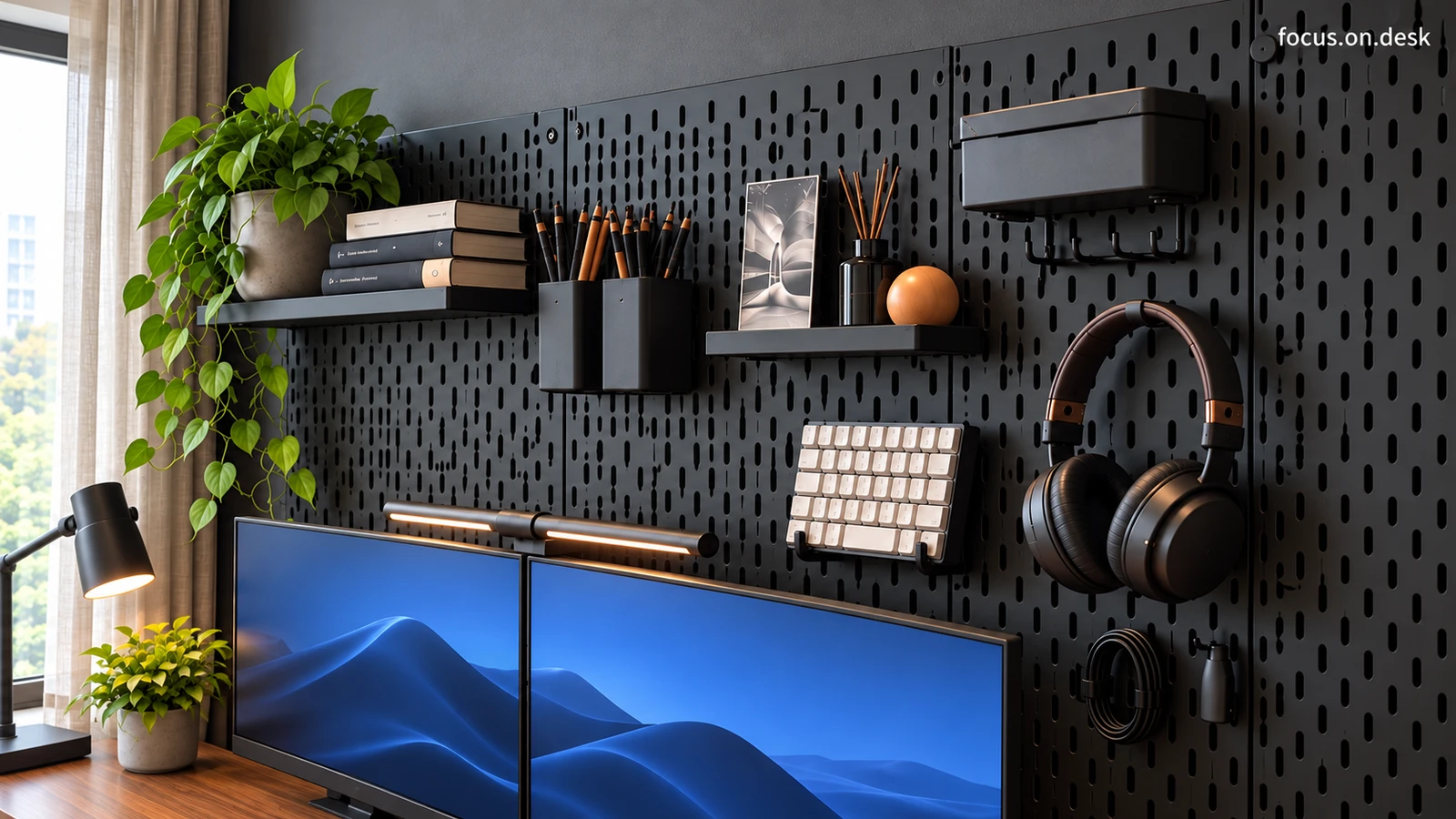
Let's look at the arrangement order using the pegboard and wiring configuration in the provided image as an example.
Choose what to leave in 1. desktop
First, divide the items on your desk into tools you currently use, items you occasionally take out, and decorations. Keep things you need to use constantly, such as input devices and notes you will use today, in the desktop, and set aside a separate storage space for spare cables and extra tools.
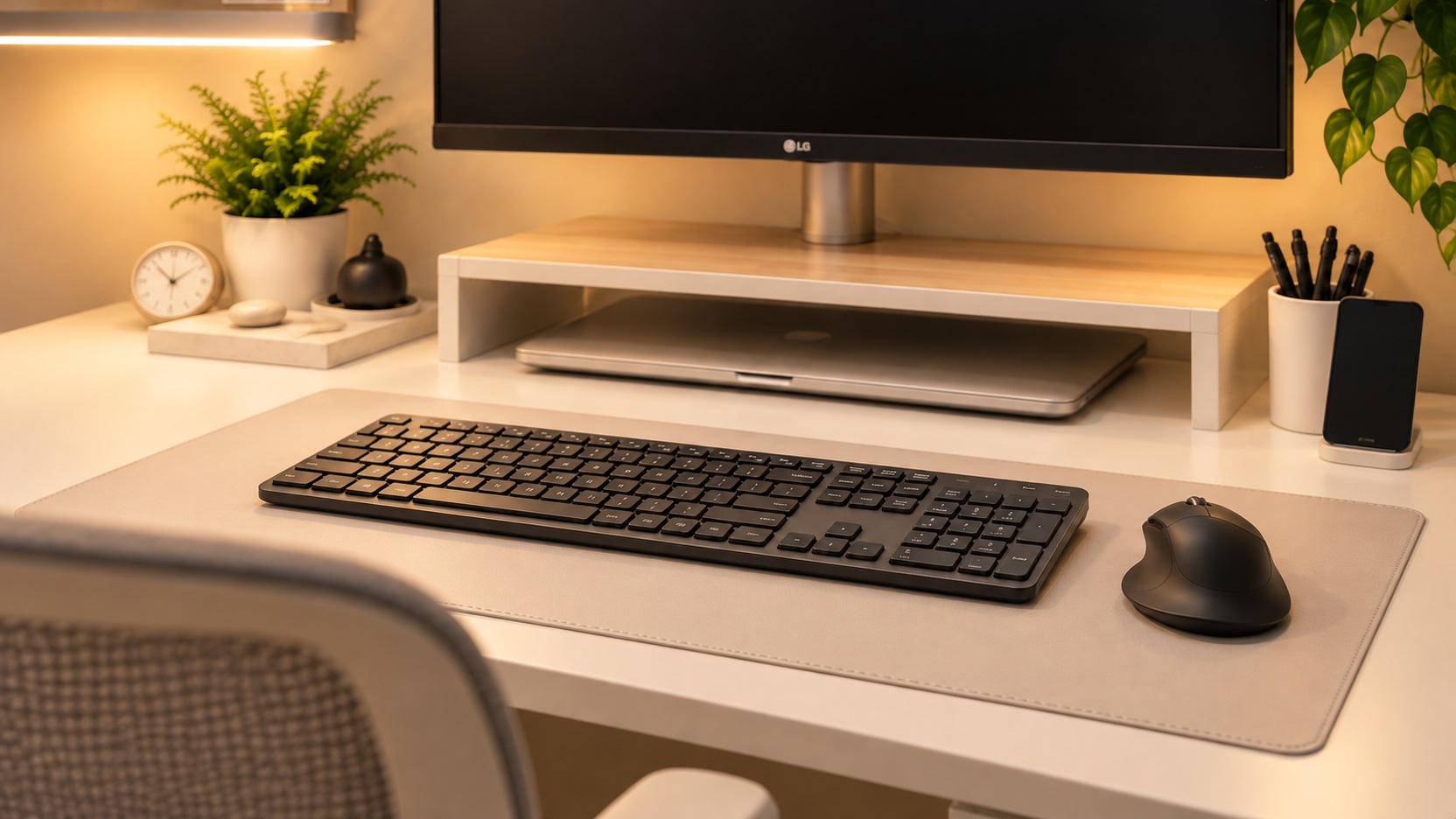
When putting back items to be left behind, first secure the movement of the keyboard and mouse. Next, leave a space to open your notes. If you use this side as a guide, it will be easier to decide where to place the flower pot or pen holder.
There is no need to necessarily reduce things. Rather than putting the pen that I use every day in a place where it is difficult to get out, the goal is to create a place where I can return it after use. If you set up a temporary storage area for desktop in one location, you can reduce items from being spread out to multiple locations.
Divide the items you temporarily put down while working and the items you keep putting away. If you fill the space where today's notes move with props, you'll have to recreate the space every time you start work. It would be a good idea to determine the surrounding empty surface based on objects that are clearly used, such as the keyboard and mouse in the photo.
If there are items that pile up again even after emptying the desktop, check the frequency of use before throwing them away. Check the actual operation of frequently used tools to see if they are placed too far away or if the insertion process is complicated.
2. pegboard is filled in the order you reach.
In the photo, small tools are moved from above desktop to the wall. Pencils were placed in cup-shaped holders, headphones were placed on individual hangers, and books and small decorations were collected on shelves. Since different items are not stacked in one space, there seems to be less need to move other tools together when taking them out.